
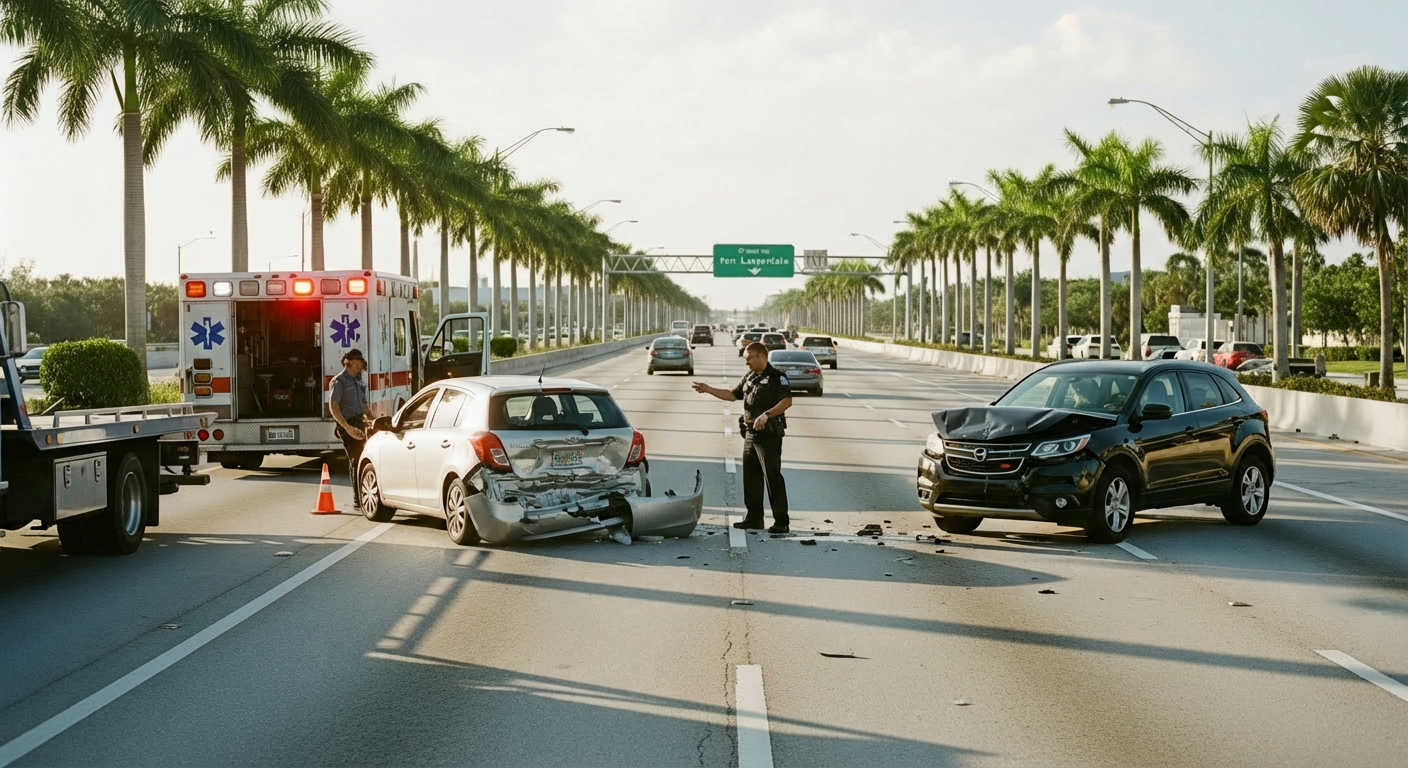
In Florida, bodily injury liability coverage is not required for most private drivers. Instead, Florida relies on a no-fault insurance system that requires drivers to carry personal injury protection, or PIP, which covers certain losses regardless of fault. While this structure was designed to streamline minor claims, it often leaves injured people exposed when a crash causes serious harm.
This gap in mandatory coverage has real consequences in South Florida, where high traffic density and tourism contribute to frequent collisions. When bodily injury coverage is absent, injured drivers and passengers may find themselves navigating complex insurance questions at the worst possible moment. Understanding what Florida law does and does not require is essential for protecting yourself after an accident.
Understanding Bodily Injury Liability in Florida
Bodily injury liability insurance is designed to cover injuries you cause to others in an accident. In many states, it is a mandatory part of auto insurance. Florida, however, is an exception. Most Florida drivers are only required to carry PIP and property damage liability coverage, not bodily injury liability.
Ace Your Case regularly works with individuals who learn this distinction only after discovering that the at-fault driver has no bodily injury coverage at all. While Florida law allows injured people to pursue compensation in serious cases, the lack of required bodily injury insurance often complicates recovery.
Under Florida Statutes section 627.736, drivers must carry at least $10,000 in PIP coverage. Bodily injury liability is generally required only in limited circumstances, such as after certain serious accidents or for specific categories of drivers.
This framework places greater importance on understanding all available insurance options, particularly for those injured through no fault of their own.
Bodily Injury vs. Personal Injury in Florida
The terms “bodily injury” and “personal injury” are often used interchangeably, but they mean different things in Florida insurance law. Understanding the distinction helps clarify which policies apply after an accident.
What Bodily Injury Means in the Insurance Context
Bodily injury refers specifically to physical harm suffered by another person due to an accident you caused. Bodily injury liability insurance pays for those injuries, including medical expenses and related losses, when you are at fault.
How Personal Injury Protection Works
Personal injury protection, by contrast, is coverage you use for your own injuries, regardless of fault. PIP pays a portion of medical bills and lost wages up to policy limits. It does not compensate for pain, suffering, or long-term impairment.
For example, a South Florida driver injured in a rear-end collision may initially rely on their own PIP coverage for treatment. If injuries are severe and permanent, they may then pursue a claim against the at-fault driver’s bodily injury policy if one exists.
What Bodily Injury Liability Insurance Typically Covers
When bodily injury liability coverage is available, it can play a critical role in compensating injured people beyond the limits of PIP. This coverage applies when the insured driver is legally responsible for causing injuries to others.
Bodily injury liability insurance typically covers:
- Medical expenses related to accident injuries
- Lost income resulting from time away from work
- Long-term impairment or disability
- Pain and suffering damages
Unlike PIP, bodily injury coverage addresses the broader impact of an accident. It becomes especially important in injury cases involving surgeries, extended recovery, or permanent limitations.
For example, imagine a pedestrian struck in Fort Lauderdale suffers multiple fractures and cannot return to work for months. PIP coverage is quickly exhausted. If the driver carries bodily injury liability insurance, that policy may provide additional compensation reflecting the full scope of harm.
Which Auto Insurance Policy to File a Florida Accident Claim Against
Determining which insurance policy applies after a Florida accident depends on several factors, including injury severity and available coverage. Florida’s system often requires injured people to start with their own insurance before looking elsewhere.
Common claim paths include:
- Filing a PIP claim with your own insurer
- Pursuing a bodily injury claim against the at-fault driver
- Making a claim under uninsured or underinsured motorist coverage
When injuries meet Florida’s legal threshold for seriousness, injured individuals may step outside the no-fault system and seek compensation from the responsible driver. This is often necessary when damages exceed PIP limits.
Why Florida’s Insurance Structure Creates Risk for Injured Drivers
Florida’s decision not to require bodily injury coverage leaves many drivers underinsured. As a result, injured people may face limited recovery options even when another driver is clearly at fault.
This risk is compounded by Florida’s high rate of uninsured and underinsured motorists. Without bodily injury coverage or uninsured motorist protection, injured individuals may be forced to absorb the costs themselves.
Understanding this reality before an accident occurs allows drivers to make informed insurance choices. After an accident, understanding it helps set realistic expectations about recovery options.
Who We Are and How We Assist With Florida Insurance Claims
Navigating Florida insurance claims requires careful attention to both legal thresholds and insurance policy language. Ace Your Case assists injured individuals by identifying all available coverage, evaluating injury severity, and advocating for outcomes that reflect the actual impact of a crash.
Insurance companies often focus on limiting payouts, particularly when bodily injury coverage is absent or minimal. Clear documentation, consistent medical care, and strategic negotiation are essential to countering these efforts.
For injured people already dealing with pain and disruption, having guidance through this process can provide much-needed clarity and reassurance.
Frequently Asked Questions About Bodily Injury Coverage in Florida
Is bodily injury insurance ever required in Florida?
Yes, in limited situations, such as after certain serious accidents or for drivers with specific histories. For most private drivers, it is not mandatory.
What happens if the at-fault driver has no bodily injury coverage?
Injured people may rely on their own uninsured motorist coverage or pursue legal action against the at-fault driver directly, depending on circumstances.
Does PIP cover pain and suffering?
No. PIP covers certain economic losses only. Pain and suffering are addressed through bodily injury claims when legally permitted.
Should I carry bodily injury coverage even though it is not required?
Many drivers choose to carry it for added protection, given Florida’s accident rates and insurance structure.
Contact Ace Your Case’s Florida Car Accident Attorneys Today
Florida’s insurance laws often leave injured people carrying burdens they never expected. When bodily injury coverage is missing, the path to recovery can feel narrow and uncertain. Ace Your Case helps South Florida residents understand their rights, identify coverage options, and pursue accountability when accidents upend their lives.
The reality is that serious injuries do not wait for insurance systems to catch up. Pain, lost income, and fear about the future arrive immediately, while answers often come slowly. Knowing where to turn and understanding what the law truly allows can restore a sense of direction. Even in a system filled with gaps, informed action can open the door to stability and hope when it matters most.