

South Florida Personal Injury Lawyer
Ace Your Case: Former Insurance Insiders, Now Your Most Powerful Ally
When life takes an unexpected turn, you need a legal team that knows how to fight back. Feingold, Posner & Draizin has recovered millions for injured victims throughout Florida. With three attorneys who built their careers on the defense side, we know how insurance companies evaluate claims and how to counter the tactics they use to minimize payouts. We bring decades of hard-won experience to every case we take. If someone else's negligence has upended your life, a South Florida personal injury lawyer from our firm is ready to step in and fight for the outcome you deserve.


50+
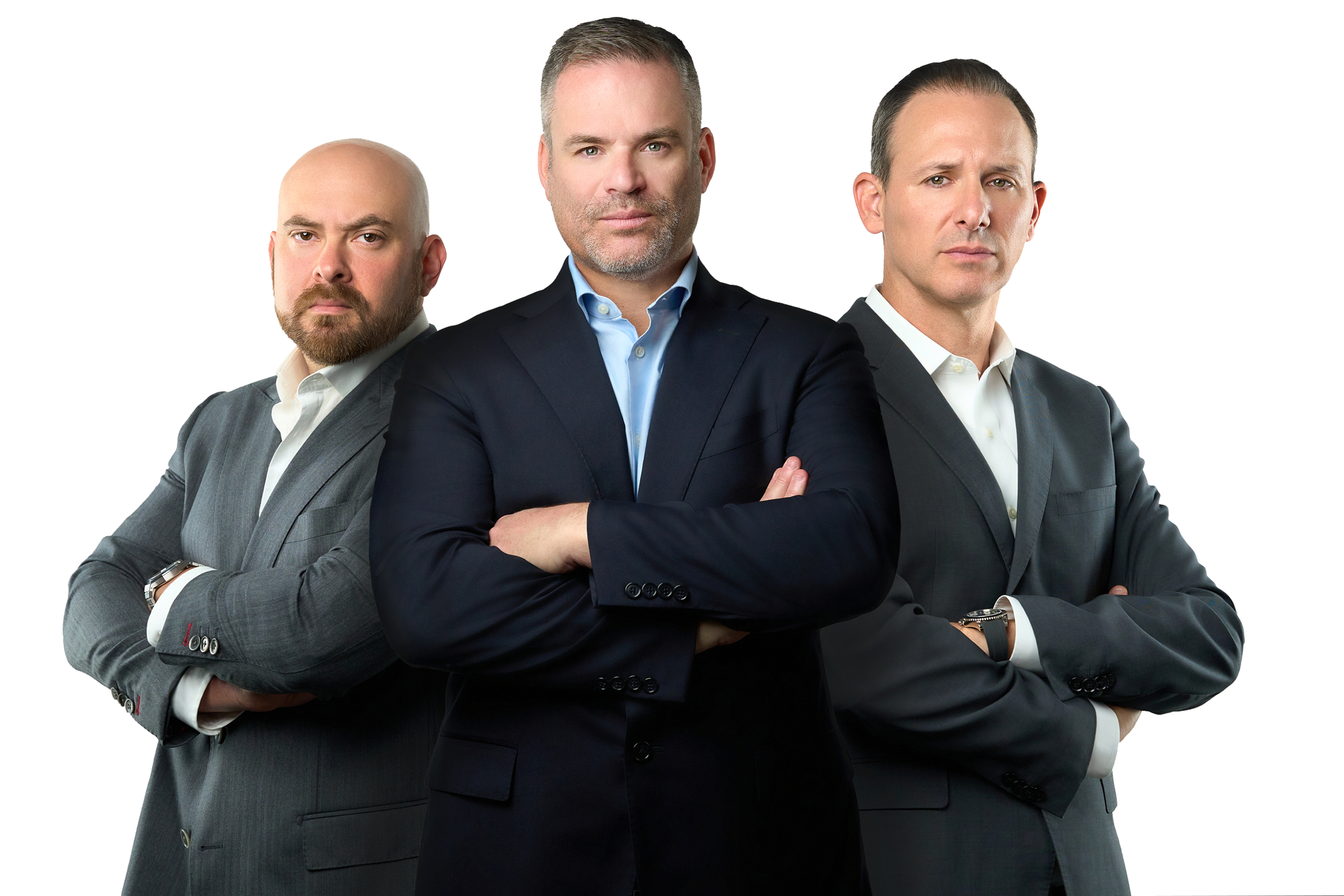
Years of Combined Experience


No Fees Unless We Win


Millions Recovered for Our Clients


Former Insurance Defense Attorneys

Your Injury and Accident Attorney in Florida, Ready to Fight for You
At Feingold, Posner & Draizin, we believe that every person who walks through our doors deserves the same level of dedication we would give to a member of our own family. When an accident or injury turns your life upside down, the last thing you should have to worry about is whether you can afford to fight back. That is why we handle every case on a contingency fee basis. There are no upfront costs, and you pay no attorney’s fees unless your injury and accident attorney in Florida recovers compensation on your behalf.
From the moment you reach out, our focus is entirely on you: understanding what happened, protecting your rights, and pursuing every dollar you are owed under Florida law.
See What Fighting for You Really Looks Like



Types of Cases We Handle in South Florida
When negligence causes harm, the path to justice starts here. Feingold, Posner & Draizin handles a wide range of personal injury and accident claims throughout South Florida, including:





























Direct, Personal Attention From the Attorney Fighting for You
At Feingold, Posner & Draizin, personal involvement is not a promise we make lightly. From the moment you reach out, you will work directly with your attorney, not a paralegal or a case manager, but the person whose name is on the door and whose reputation is on the line. We take the time to understand what happened, what you are facing, and what a full and fair recovery looks like for you specifically.
Time matters after an accident. Every day that passes is an opportunity for the insurance companies to build their defenses and diminish your claim. As your South Florida personal injury lawyer, we move quickly and deliberately, gathering evidence, identifying every available source of compensation, and building the strongest possible claim on your behalf.
You have enough to worry about. Let us handle the legal fight.
Why Injured Victims Throughout South Florida Choose Feingold, Posner & Draizin
 Decades of Combined Experience, Inside and Outside the Courtroom With more than 50 years of combined experience spanning personal injury litigation, insurance defense, and complex civil claims, our team brings a depth of knowledge built from careers on both sides of the legal system.
- Dedicated Representation Whether Your Injuries Are Minor or Life-Altering Every client who comes to us deserves focused, thorough representation regardless of the size or complexity of their claim. From straightforward accident cases to multimillion-dollar catastrophic injury matters, we bring the same standard of care to every case we handle.
- Transparent Communication at Every Stage of Your Case We believe informed clients make better decisions. That is why we keep you updated at every stage of your case, from the initial consultation through final resolution. You will never be left wondering what is happening or what comes next.
- Fierce Advocates Who Never Lose Sight of the Person Behind the Case We are known for aggressive, relentless advocacy on behalf of our clients. But we never forget that behind every case is a real person navigating one of the most difficult experiences of their life. We treat every client with the empathy and respect they deserve.
Three Attorneys, One Mission, All of South Florida
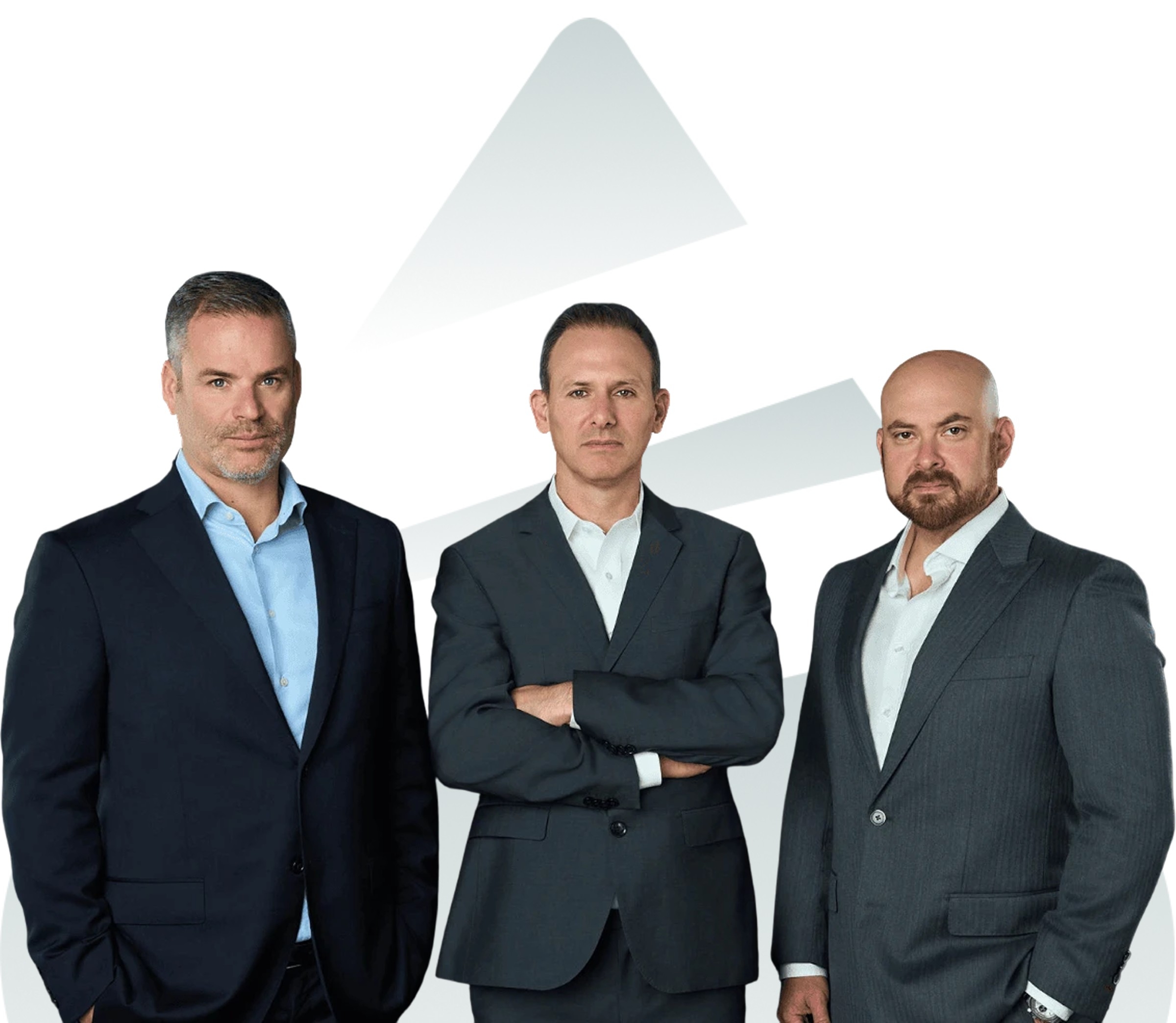
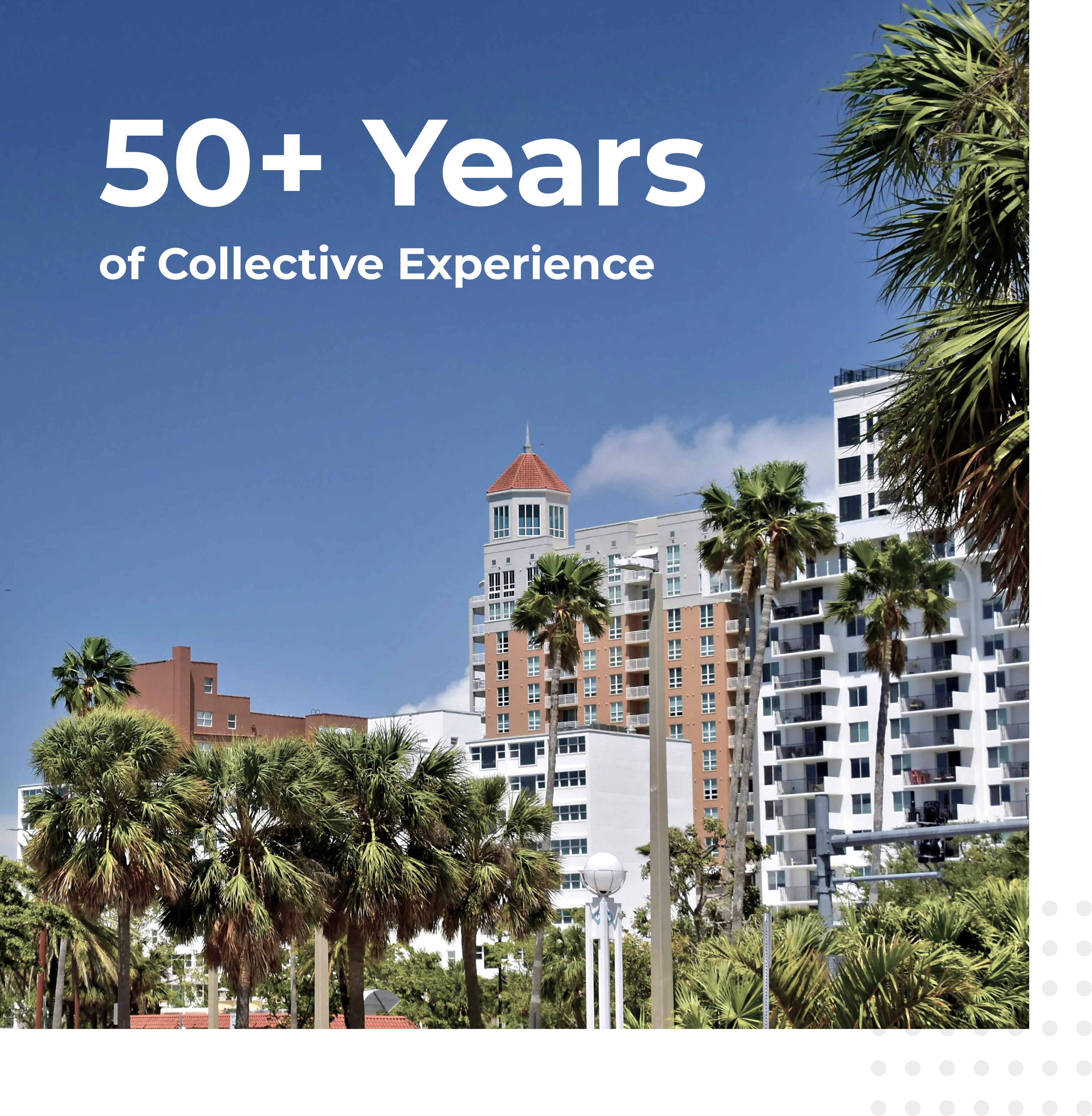
Eric Feingold, Craig Posner, and Aaron Draizin built Feingold, Posner & Draizin on a single conviction: that every injured person in South Florida deserves a skilled, dedicated advocate in their corner. From our Plantation office, we serve injury victims across the region and beyond, including:
- Pompano Beach
- Hollywood
- Davie
- Hillsboro Beach
- Oakland Park
- Wilton Manors
- Dania Beach
- Pembroke Pines
- Plantation
- West Palm Beach